

Enough With the Hottake: Conversations about books and literature are ongoing
My thoughts on the caregiver's role in children's literature

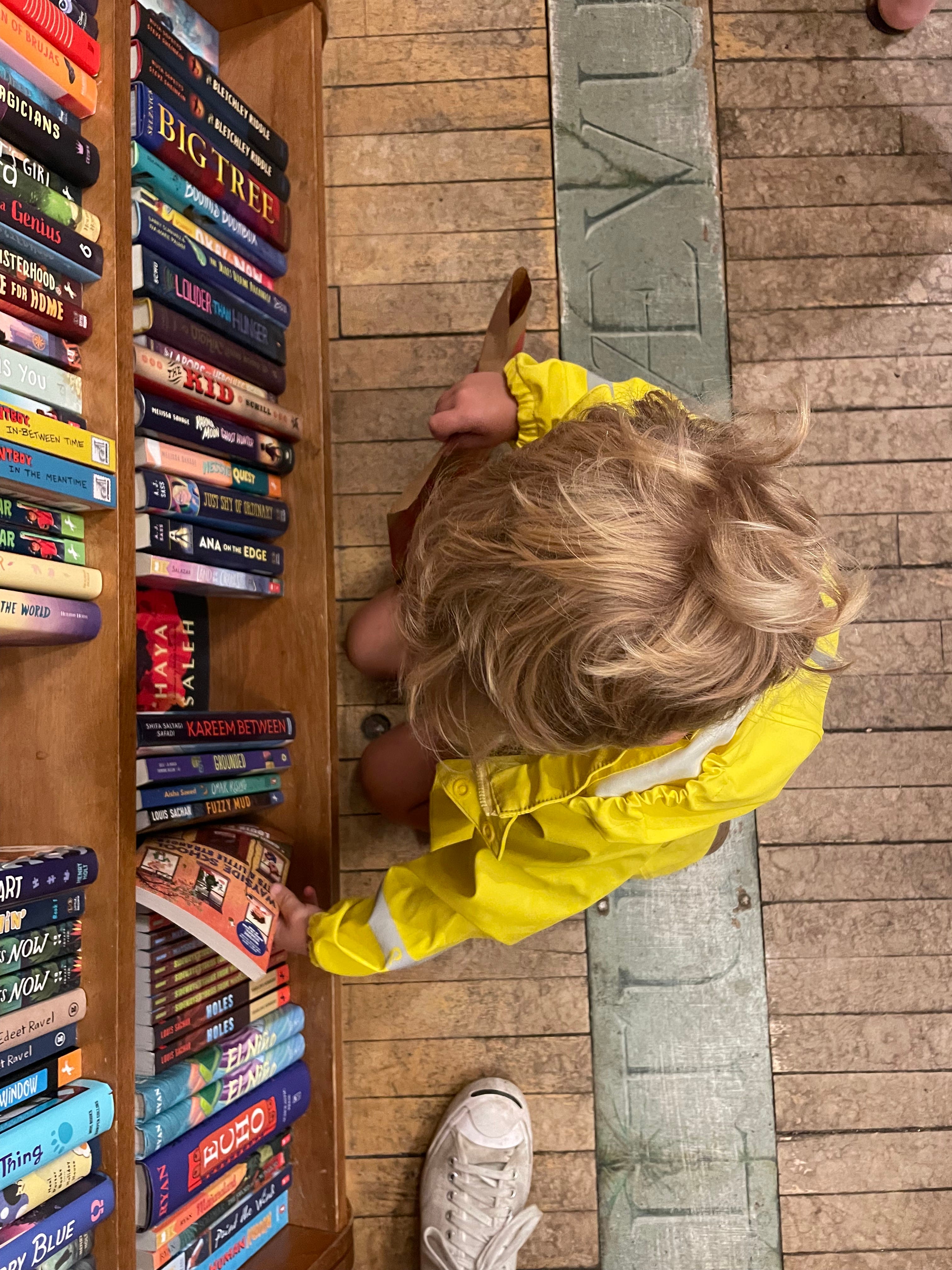
Part I: Children are humans: they are not all the same, and they are always changing.
Oftentimes, when we talk about children — ways to raise them, teach them, make things for them — we really can forget that children are human beings, and each individual human being (child) has their own opinions, reactions, and taste. We think about children but we forget about the child.
I fell prey to this pattern as a classroom teacher. I would get so excited about a lesson or a classroom management (ugh, I hate that phrase as much as I wasn’t good at maintaining the systems I was supposed to have in place) idea that I would plan everything out as if everything was certainly going to go according to plan — my plan for the group as a whole. This usually happened over the summer. Surely, this year, things would be different. The children will want to work. They will love to give my lessons their full attention. They’ll be excited by creative freedom, not terrified by it.
And guess what? You know what happened, I know you do. These perfect plans never went the way they did in my imagination. Becuase I was dealing with a unique group of children (young teenagers with so much changing in their brains and bodies), and I was trying to force (instead of guide?) them to an exact point I thought they should end up, and I was (sadly) never able to meet each individual (some, sure!) exactly where they were (but that’s fodder for a whole different conversation). Of course, I’m going to be hard on myself, but I feel awful when I think about it, and in retrospect I can see how holding high expectations and predicting the exact outcome are actually mutually exclusive.
I’m not here to write about my own guilt (this time). I’m here, actually, to write my own kind of response to the anger that’s been spreading across the kidlit internet. In a world of social media hot takes, I’ve been simmering my thoughts and feelings about children’s literature, as well as the system around it, for a long time. The recent rage caused by a certain quote in Mac Barnett’s book Make Believe (which I loved and still recommended!) (which caused a lot of anger and upset), has pushed me to share.
In lieu of engaging with the argument (because others have done that very well1!), I want to take this heated moment to remind us, the individual parents and caregivers, what we can do when it comes to children and literature (not to be confused with teaching them to read), what our role is, and how we can make sure our children have access to the type of literature that lights them up, opens windows and doors, reveals mirrors, delights them, and entrances them beyond the last word and page and minute of active reading.
I’m coming from the vantage point of a former classroom teacher, and of a mother of two young sons (2.5 and 5.75 — and not a moment younger, you know). So, this is not my hot take about the state of the publishing industry or how to tackle the literacy crisis — this is my understanding of the privilege parents and caregivers have to be curators and door openers and partners for our children as they build their own unique reading tastes and lives.
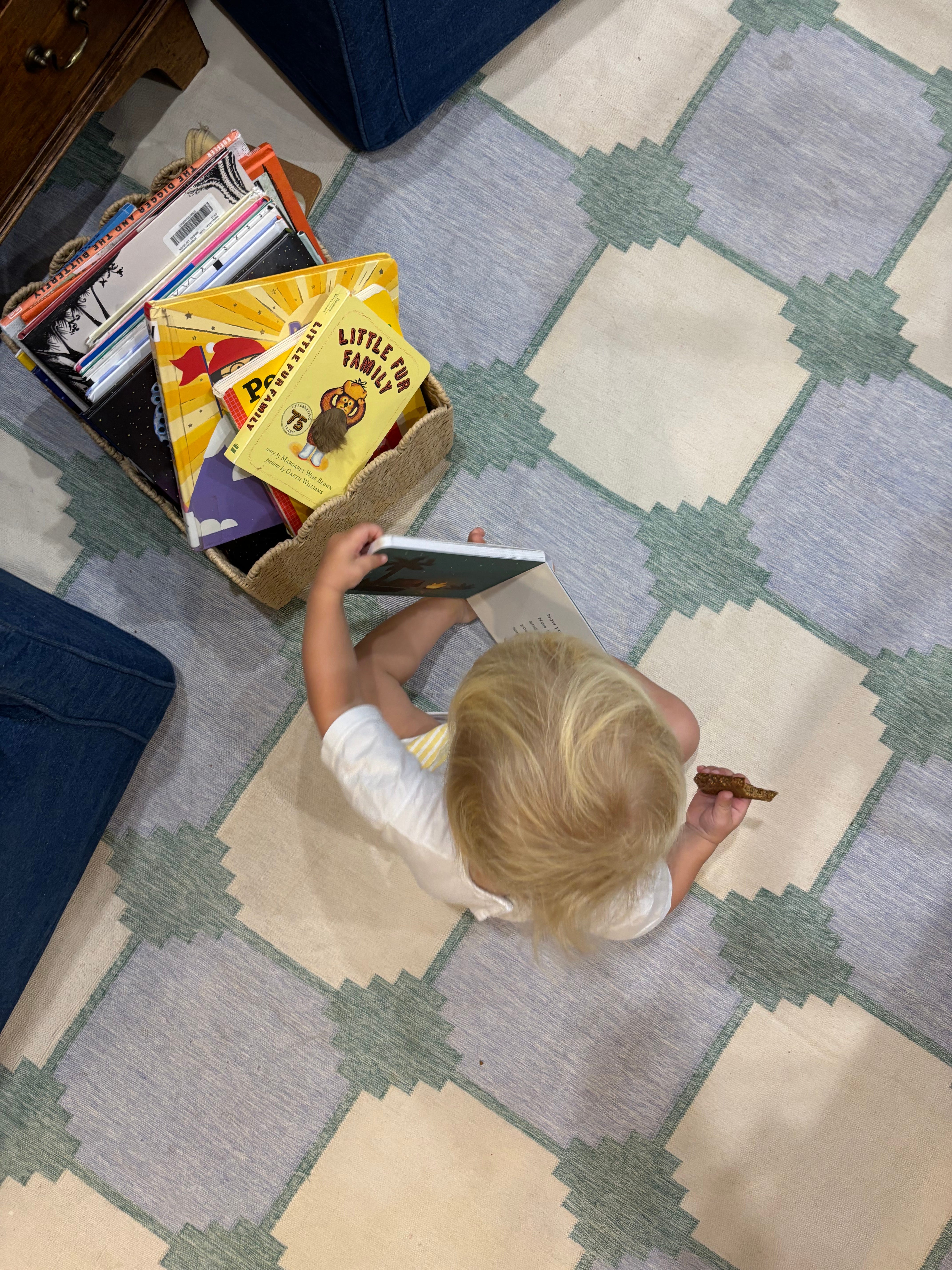

Part II: Our children (and their reading lives) are not sculptures for us to create.
But, for reasons mentioned in Make Believe and that you know because you’re a grownup, children do need adults to help them gain access to books — which is the only way they can develop their own taste.
First, we are here to assemble options.
There are, most generally, two types of young readers out there: the ones who will enthusiastically take recommendations from their grownups, and those who will enthusiastically reject said recs. Of course, like anything, this is spectrum, and a single child can move along it depending on time or mood, or they can have different stations for different grownups. Don’t give up trying.
Let’s talk about it, though, becuase one of the gifts I’ve found of being a parent to two children (instead of a teacher to over 60) is that I have the privilege to really tailor the way I introduce or recommend books to my children. Some of you have much more experience as parents than I do, but you may have forgotten that, as a caregiver to one or a handful of children, you can give them a gift they aren’t going to get from assigned reading at school: you get to help them really focus on finding and refining their taste.
This ability to help them discover and build and refine is such a privilege. Of course, we hope our children will be fortunate enough that they will have teachers and librarians and other grownups in their lives to help them do this, but, as parents, we are gifted the privilege to really be on this quest with our children in the most important and intimate way. (But please don’t read this as me saying that it needs to take millions of hours or time you don’t want to spend.)
Exposure is everything. If children are never exposed to the kinds of books that light them up, that push them, that make them ask questions, then they’ll never have an opportunity to truly develop their own reading taste and life. And that, I think, is the true shame.
It’s hard, though, to assemble options to expose. It can be daunting and, honestly, cause parents to read books over and over that nobody actually likes. If you’re here, you’re probably already curating books for your family well, and I would love for you to share your favorite places to find books that will match your family’s taste in the comments. I recently wrote about how you don’t have to like what I like, and that’s essentially the point I’m making again here. Again: we are all individuals, children and adults alike. We have the right to our own tastes and opinions.
Second, we are not here to judge — and this is tricky.
I’ve written before that I don’t keep from my five-year-old which books I like and don’t like. I’m not there yet with my toddler. With the younger one, I still read everything with as much joy and excitement as I’m able in that moment. With the older one, though, we have conversations about how people can have different tastes, how those tastes can change, and how it’s totally OK — normal! expected! — for people to like different books. Liking doesn’t equal better than.
So, once our children are at the point where they are clearly choosing their own books and making their own taste clear, it’s time to start talking to them about how you might not like what they like, and they might not like what you like, and their friends might like different books, too, and that’s totally OK. It is, in fact, the point of art.
It can be hard, though, to not judge in a way that makes anyone feel shameful for their taste. Do it in your head, if you must. (I’m sure I do sometimes.)
When it comes to books being “bad”, I have a hard time with the vocabulary we use to describe different kinds of childrens books. We can call grownup books “trash”, sure, becuase we know what that means. It means it’s escapist, it might mean it’s not particularly well written (in the academic sense), etc. etc..
But for children?
The reason we love books we read as a child sometimes has nothing to do with the content of the book and everything to do with the memories attached to reading it. And if, even as an older child or adult, you hear someone calling a children’s book you love(d) trash, it can feel harsh in a way the “beach read trash” doesn’t.
What I’m saying is that yes, of course there are some books that we think are better (more artistic, better written, more imaginative, unique, intriguing, whatever) than others, so instead — as the individual caregivers that we are — of looking down our noses at other people’s choices or the “state of children’s literature,” let’s find the books we like, that our children like, that fit perfectly within our family (and maybe push us a little, too.)
Third, reading is active.
If we want our children to have rich reading lives, we need to create an environment for this to happen. This means that reading can’t feel like a chore, like something to be ashamed of, like something that’s just for children and not for adults, or something to just be checked off a list of accomplishments.
When I was in high school, I remember reading somewhere that if I just read The Economist every week, I’d transform my brain and score perfectly on the verbal section of the SAT, which was the admissions test du jour. I felt so much pressure, never did it, and, though I did just fine on my SAT and went to the school I wanted to attend, hated myself for not completing this exercise.
Similar to this anecdote is the parent who forces their children to read the classics, to never watch the movie first, and to read becuase it’s going to make them smarter, turn them into someone better, or get them where they need to be. I feel mean even typing this out, but sometimes parents get there without even realizing it. Sometimes, they are just repeating the way reading was for them.
But reading is active and communal and, above all, has such potential for joy (even when the books make you cry or question or wrestle with discomfort). It’s our job, as parents and caregivers, to model this for our children. “Model reading” feels like a bulleted chore on a list for raising readers, but if we want our children to build something for themselves with books, it’s going to be so much easier if they see reading as soemthing active — something they seek out and do — rather than something that happens to them.
I’m curious to know your thoughts and hope you’ll consider this piece as one part in the ongoing conversation about children’s literature. Just one tiny segment of a huge, important, and multipronged conversation.
We can all be working hard, and we can all strive to be better for our children — when it comes to reading or anything else. We can also take a big exhale and know that doing the best with what we have is more than enough, and that building a family culture that values books doesn’t have to happen in a vacuum.
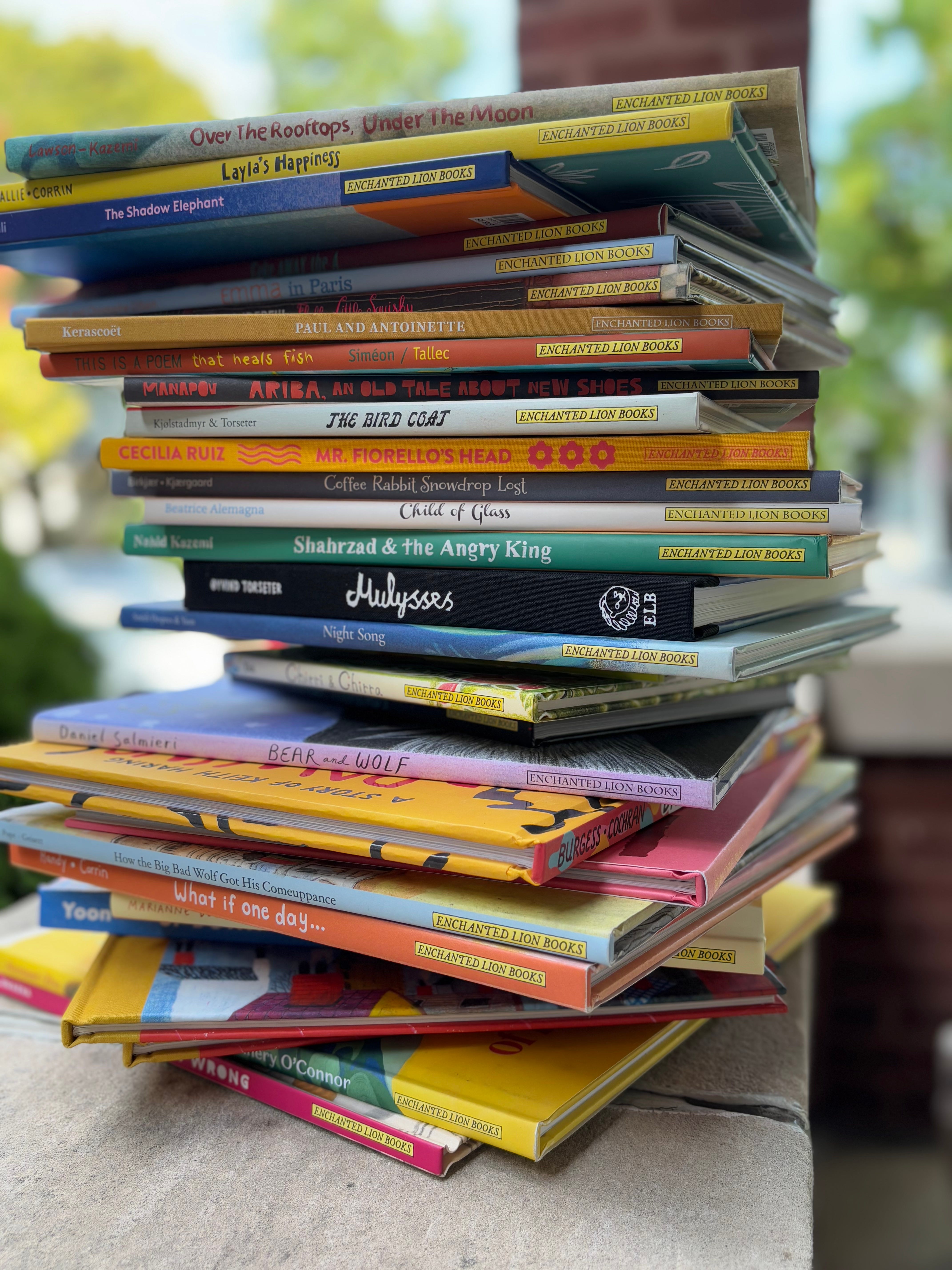

See Afoma Umesi’s repsonse here, and Claire Swinarski’s response here.
Amen, sister! I’m a former teacher too, and these were all lessons I learned as a mother to my three now-grown kids. When it came to books, one thing that kept me in line—kept me from pushing too hard, exerting my own opinion etc, which I could certainly do in other areas of life, ahem—was that I loved books dearly myself, and I knew better than to do anything that would undermine my kids loving them too. One of my favorite parts of motherhood was serving as a sort of research librarian for my kids—and I still do it! But you’re right, you can’t get too vested in it. What they love has to be a choice that’s up to them.
Little fur family - this was a hand me down and my daughter is now 6 and the song at the end is our bedtime song. Every night, without fail.